

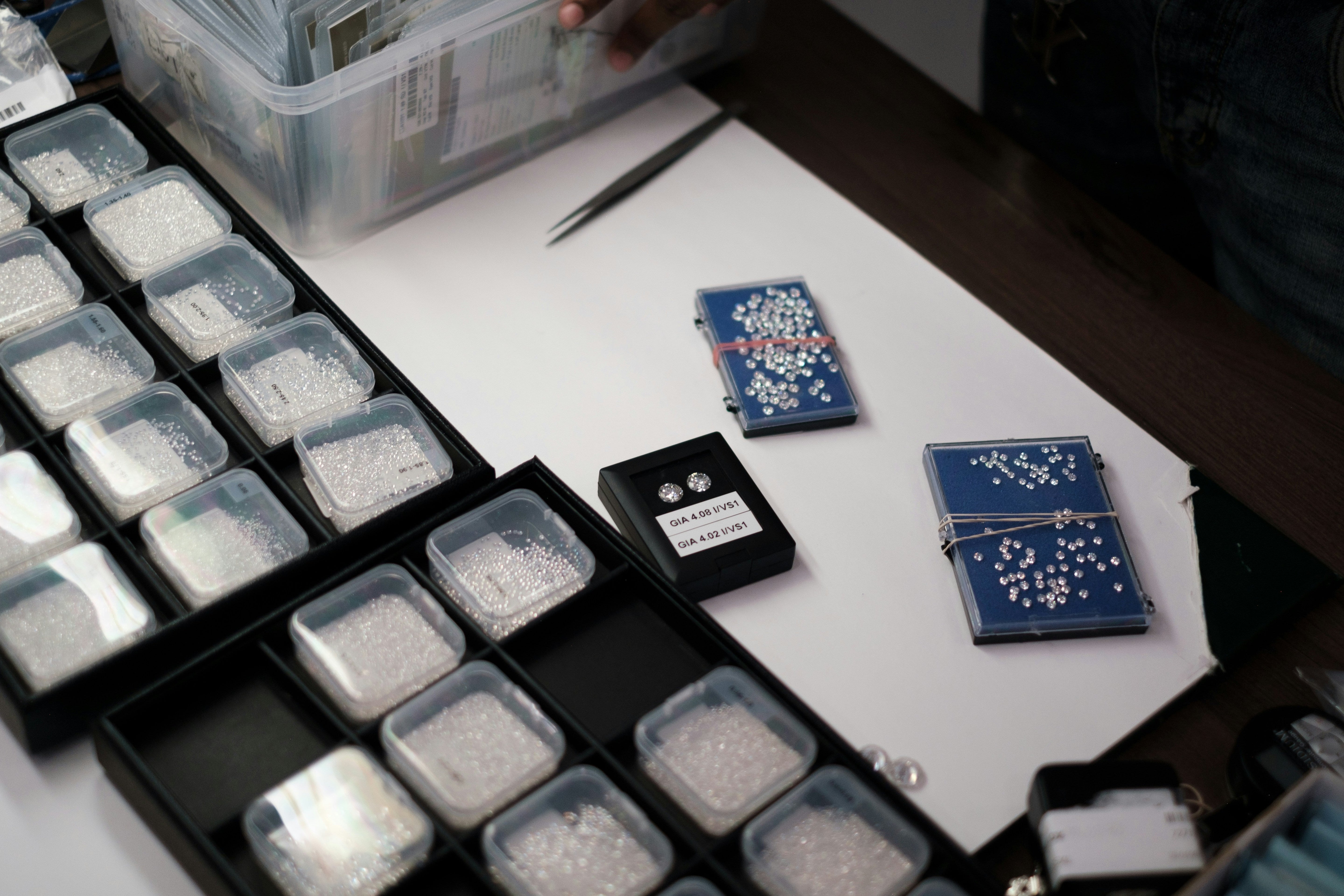
Do diamonds really last forever?
The famous slogan “A Diamond is Forever”, introduced by diamond conglomerate De Beers, is losing momentum. And with good reason: the mined-diamond industry is going through an unprecedented crisis.
Behind this situation lies a major upheaval: the rise of lab-grown diamonds, particularly in strategic markets such as China and the United States. In North America, nearly half of the diamonds sold by jewellers now come from laboratories (source: Financial Times). Younger generations, increasingly aware of social and environmental issues, are demanding greater traceability of the materials they consume. Demand for mined diamonds is declining, a trend expected to intensify in the coming years and drive diamond prices down.
To better understand this situation, let us look back at the origins of this iconic slogan and the way it has shaped consumer beliefs since the last century.
A marketing construction
The idea that a diamond is the ultimate symbol of eternal love was born from De Beers’ skilful marketing at the beginning of the 20th century, in response to a major crisis.

At the time, the South African conglomerate controlled nearly 90% of global diamond production. However, the discovery of numerous mines, combined with unfavourable geopolitical conditions, had caused demand and prices for precious stones to fall (National Geographic). Forced to preserve the value of diamonds, De Beers’ executives launched one of the most influential marketing campaigns of the 20th century. The message was clear: true love had to be expressed through the gift of a diamond, a symbol of commitment and eternity. Thus the legendary slogan “A Diamond is Forever” was born.
This strategy not only sustained demand, but also deeply anchored in the collective unconscious the idea that the solitaire diamond was inseparable from engagements and marriage. These campaigns shaped a cultural idea that fuels relentless demand, often leading to profit-seeking practices at the expense of ethics. This pursuit has at times led to corruption, exploitation and disregard for the social and environmental consequences linked to diamond mining.
Lab-grown diamonds: an upheaval
Today, lab-grown diamonds are overturning this legacy by challenging the very notion of rarity that long fuelled the prestige of mined diamonds. These stones, which possess the same physical, chemical and optical properties as their mined counterparts, do not fit into this artificial logic of withholding supply.
In addition, laboratory diamonds play an essential role in other industries, particularly those requiring ultra-resistant materials. Their impact extends far beyond jewellery, broadening the potential uses of this precious resource.
At the same time, ethical and environmental concerns related to mining continue to weigh on the industry. Although reforms have been introduced, particularly through the Kimberley Process Certification Scheme, these initiatives remain largely insufficient to guarantee a truly responsible supply chain.
The limits of the Kimberley Process
The Kimberley Process (KPCS), introduced in 2003, aimed to prevent the sale of so-called conflict diamonds, meaning stones used by rebel movements to finance civil wars (also known as Blood Diamonds). The process requires every export of rough diamonds to be accompanied by a government certificate attesting to their conflict-free origin.
However, the system has significant shortcomings. First, it is strictly limited to rough diamonds and excludes stones that have already been cut. It also does not cover environmental abuses or human-rights violations that may occur in supply chains. Moreover, participating companies are not required to conduct an in-depth verification of the origin of the stones they market (Amnesty).
In addition, corruption and the lack of rigorous controls in some participating countries considerably weaken the effectiveness of the system. These shortcomings leave the door open to illegal activities and undermine transparency in the sector.
Mined diamonds face an uncertain future
The trade in mined diamonds also reflects international geopolitical and economic tensions. While the G7 has banned imports of Russian diamonds, Antwerp’s historic position is losing ground to Dubai, which is establishing itself as an alternative hub. Belgium, for example, saw sector imports fall by 23.3% in one year, while exports declined by 17.2% (L’Echo).
In addition, the processing of rough diamonds is now largely outsourced to India, where labour costs are considerably lower. This model lengthens supply chains, reducing traceability and increasing the risks of opacity and corruption. Blood Diamonds still exist today and are legitimised by the policies of the diamond industry and merchants in major global diamond centres such as London, Antwerp and New York. This neglect has left tragically indelible marks in countries such as Sierra Leone, where some of the most violent rebel campaigns on the African continent took place (see Greg Campbell’s book Blood Diamonds).
For a truly eternal vision

The Little Ice Skating Girl – Platinum 950 ring set with a central 0.65-carat lab-grown diamond in an emerald cut.
Mined diamonds have a hidden price: displacement of communities, exploitation of workers, destruction of livelihoods, as well as degradation of land and ecosystems. Their extraction leaves lasting scars on people and the planet.
Choosing lab-grown diamonds means opting for a responsible alternative that combines beauty with respect for people and the environment.
AGUAdeORO is a jewellery house founded in 2009, with locations in Geneva and Zurich, offering customers the opportunity to acquire ethical jewellery made in Switzerland. We are committed to offering jewellery that combines sustainable development and elegance.
Photo credits: Dillon Wanner on Unsplash and Melanie Deziel on Unsplash.
Read more
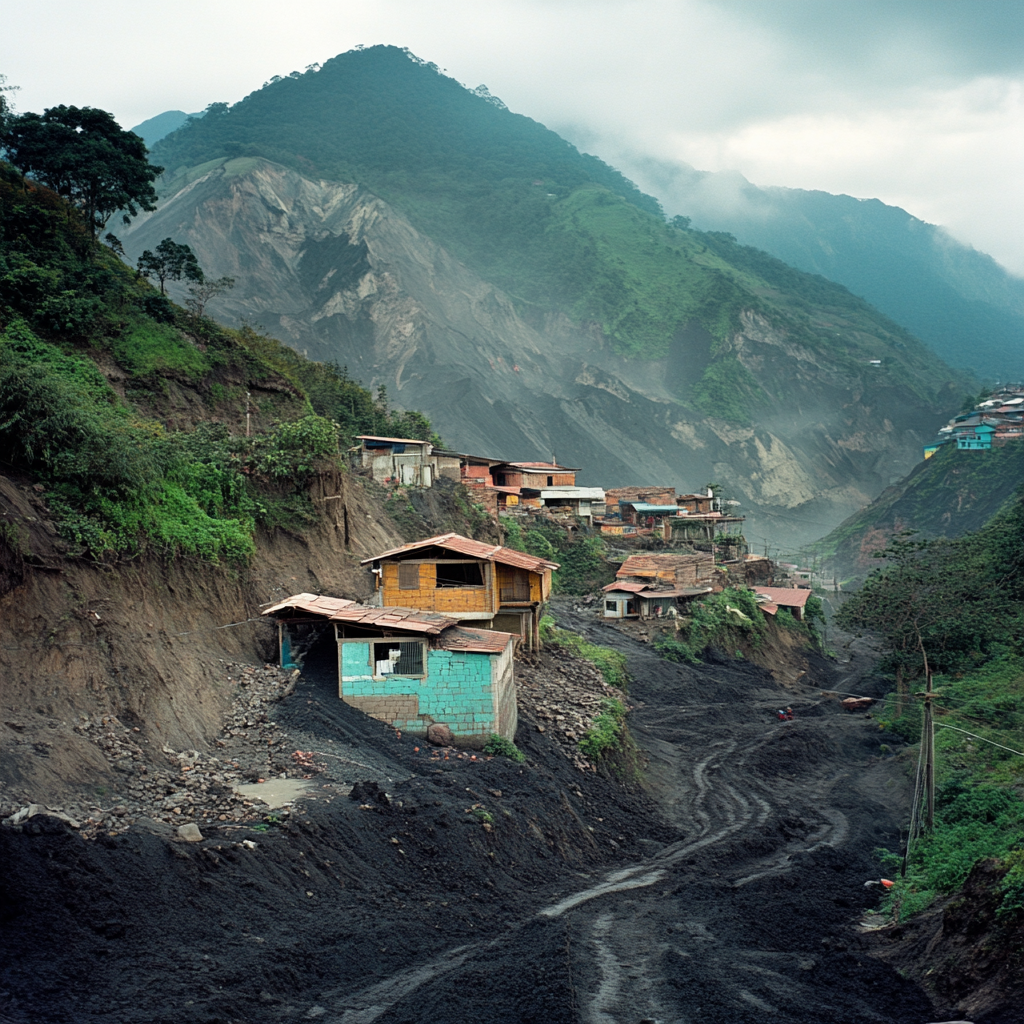
Discover the troubling reality behind Colombian emeralds, where beauty is intertwined with exploitation. From the history of the “Green War” to precarious conditions for miners, the emerald industr...

More Than Love, AGUAdeORO's flagship campaign, celebrates ethical and universal love. Each piece of jewelry embodies the values of traceability, respect for the environment and social justice, whil...
Leave a comment
All comments are moderated before being published.
This site is protected by hCaptcha and the hCaptcha Privacy Policy and Terms of Service apply.